Vrindavan: Why This Land Is Different
Some places carry an energetic imprint accumulated over millennia.
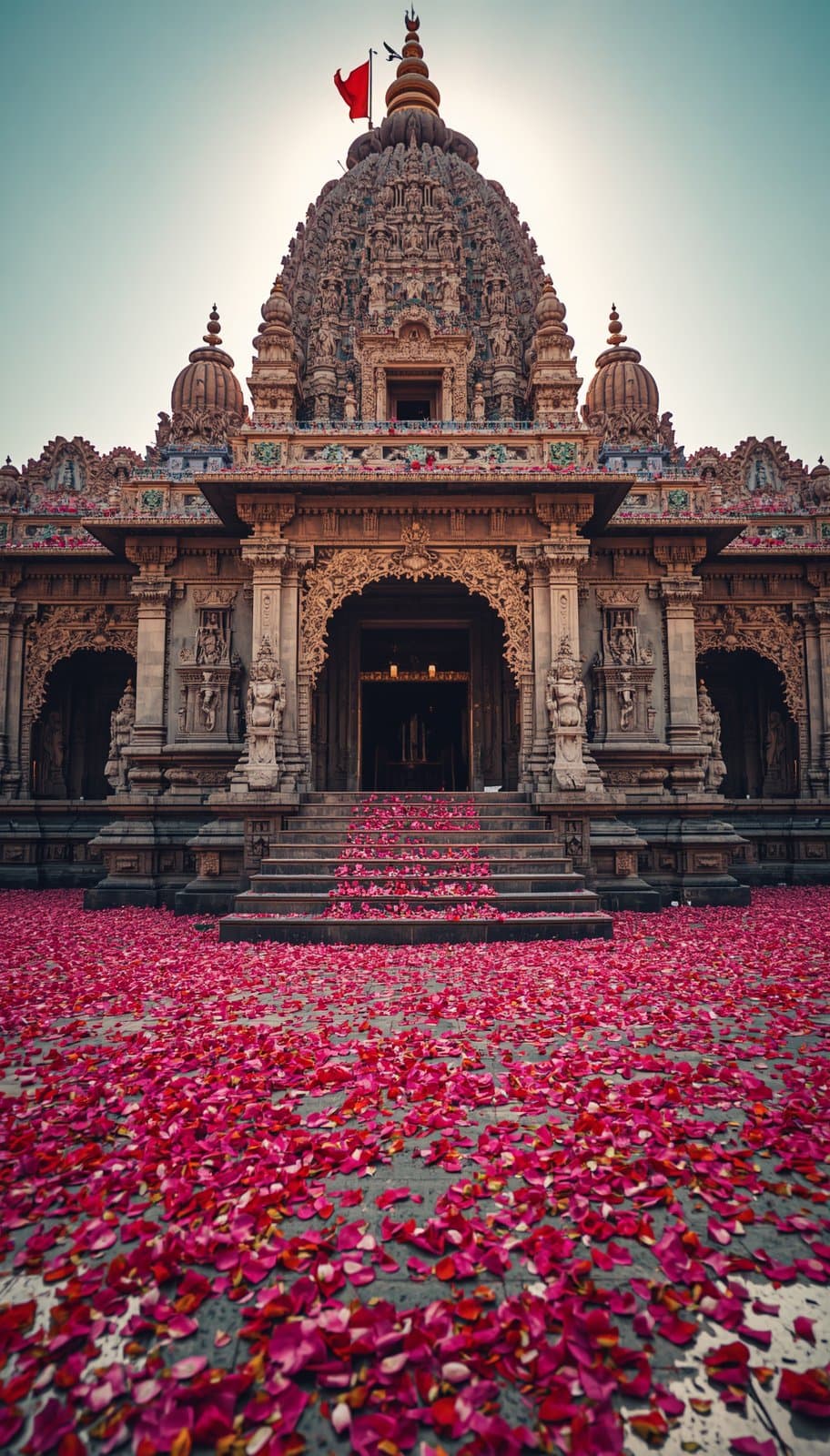
Some places carry an energetic imprint accumulated over millennia of prayer, devotion, and the concentrated intention of countless seekers. Vrindavan is one such place.
Located on the western bank of the Yamuna river in Uttar Pradesh, Vrindavan is considered by millions of devotees to be among the most sacred cities in the world. It is believed to be the ground where the divine child Krishna spent his formative years — playing in the forests, tending cows, dancing with the gopis in the moonlit groves, enacting what the tradition calls leela: divine play.
What makes a place sacred is a question that sits at the intersection of theology and phenomenology. Whatever one's metaphysical commitments, the experience of walking through Vrindavan is distinctive. There is a quality of devotional saturation — over 5,000 temples in a relatively small area, each a focal point of centuries of worship, song, and concentrated bhakti.
The ancient understanding is that sacred sites accumulate a kind of energetic potency through use. The prayers, mantras, and devotion offered at a place over generations leave an imprint in the subtle fabric of that location. This is why pilgrimage — the physical act of placing one's body in a specific geography — has been regarded across traditions as qualitatively different from reading about that place.
Vrindavan is not a museum. It is a living city of devotion, where the rhythms of temple ceremony, Yamuna bathing, and bhajan singing continue as they have for centuries. The presence is palpable in a way that resists easy explanation — and perhaps should.
The Sattva Shuddhi retreat is deliberately situated here because the retreat's work — purification, release, the restoration of sattvic clarity — is amplified by the environment. The land itself is regarded in the tradition as being infused with the quality of pure love. To do deep inner work in such a place is to have the work held by something larger than oneself.
The perspectives shared in this journal reflect traditional Vedic and yogic philosophy and are offered for reflection and personal contemplation. They are not presented as medical, psychological, or scientifically verified information.
Continue the Journey
Experience Sattva Shuddhi in Vrindavan
October 3–8, 2026. Limited to twelve participants.